.png)


English Intercede
1998 - 2026
Sign up to receive the new editions by email when they are released
Unreached People Groups: Proximity Theology
2010 Vol. 5: Sept/Oct
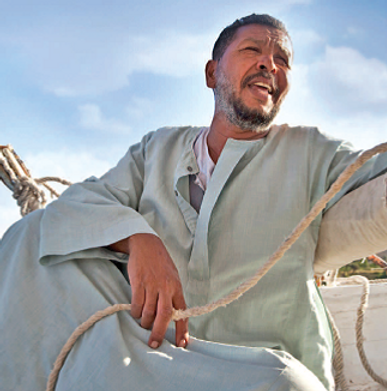
Jesus’ command is clear, unmistakable and biblically sound. In Matthew 28:19, He instructs the Church to make disciples of “all nations.” The original Greek renders “all nations” as “panta ta ethne.” This is a direct and obvious reference to ethnic groups. The word “proximity” carries the thought of being near to a particular place, specific time or certain relationship. Proximity theology looks at the Great Commission through the lenses of generational, geographical and relational views to gain a fresh perspective in providing an adequate witness to all people groups.
The Fast of Ramadan
2010 Vol. 4: July/Aug
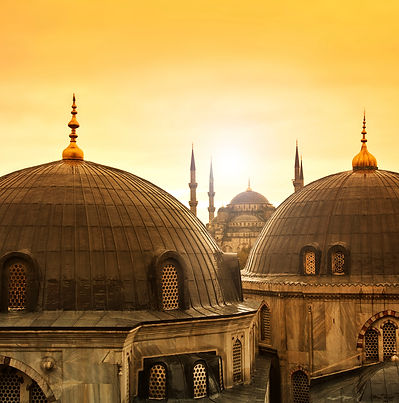
Meet Mary and Nasima, two fictional characters whose dialogue will introduce us to the Muslim fast of Ramadan. The women work side-by-side at a homeless shelter. Mary, a devoted Christian, is a longtime employee, but Nasima has been on staff only for three months. Though Nasima looks outdated with her headscarf and long, modest outfits, Mary takes a liking to Nasima. Nasima is compassionate, reliable, and quite religious. Soon Mary discovers that Nasima is a Muslim. She immigrated to the U.S. two years ago with her family. One day Mary struck up a conversation with Nasima.
Islamic Sharia Law and Muslims in the West
2010 Vol. 3: May/June
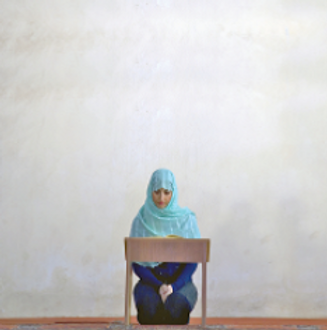
Traditional Islam assumes that it is impossible for a Muslim to live in a society governed by non-Islamic law. The world is considered to be divided into two parts: (1) the “House of Islam,” where Muslims have political control and sharia (Islamic law) is enforced, and (2) the “House of War,” where Muslims must fight against non-Muslims to establish Islamic political power. Muslims scholars of old often advised that Muslims living in the House of War should migrate back to the House of Islam – meaning back to Muslim states. Radical Salafi scholars still recommend this option to Muslim minorities today.
The Islamic Law of Apostasy
2010 Vol. 2: Mar/April
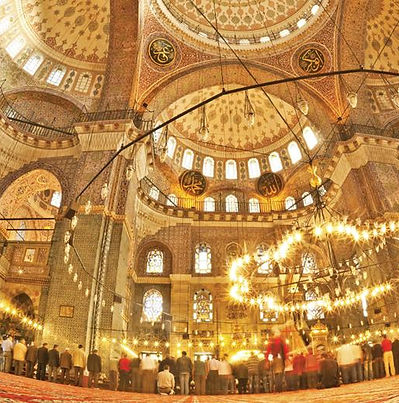
The right to religious freedom, including the right of individuals to change their religion, is taken for granted by most people in the West. But in Islam, people are only free to change from a non-Islamic faith to Islam; they are not free to change in the opposite direction. All schools of sharia (Islamic law) agree that adult male Muslims who leave their faith should be killed. In line with this view, the majority of Muslim scholars, past and present, hold that apostasy from Islam is a crime carrying the God-prescribed penalty of death.

The Challenge of Sharia
2010 Vol. 1: Jan/Feb
Sharia poses a challenge to Western societies because of the constant pressure in Muslim communities to implement it and expand its area of influence. For many Muslims in the West, secular law lacks legitimacy, especially in the realm of family law. A recent survey showed that two-thirds of British Muslims would prefer to follow sharia in cases where United Kingdom law conflicts with Islamic law.
What is Sharia?
2009 Vol. 6: Nov/Dec
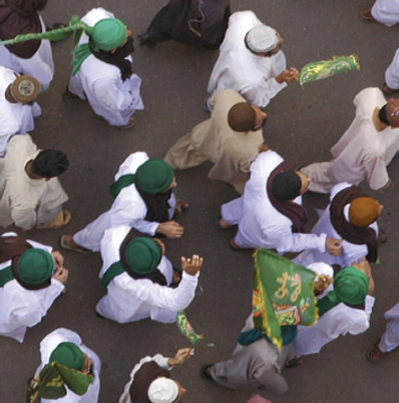
Sharia is an Arabic word meaning “path” or “way”. Nowadays it is used to mean “Islamic law” the detailed system of religious law developed by Muslim scholars in the first three centuries of Islam. This law expresses the Islamic way of life and – much more than the Qur’an – is the key to understanding Islam. Sharia covers all aspects of life and does not separate between secular and religious spheres. It provides a framework of dos and don’ts, rituals and rules within which a Muslim leads his or her life. Most Muslims hold that sharia protects them from sin like a fence or a roadblock.
Ramadan
2009 Vol. 5: Sept/Oct
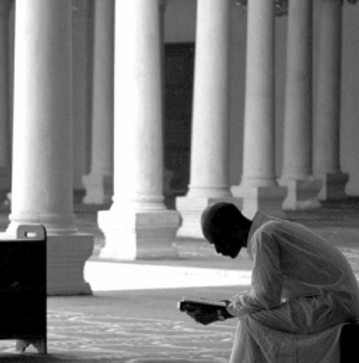
Salifou shuffles through the deserted streets of his village in the dead of night echoing over and over the summons, “Get up, O faithful believers! Arise, for this is the blessed fast of Ramadan. Get out of bed and cook, eat and pray — for prayer is better than sleep.” The 3:00 a.m. ‘caller’ implores the faithful, shouting through his tattered megaphone, “Eat and drink now before the sun comes up. Dine and drink now, then exercise discipline and self-control during daylight hours.”
The Kurds: Noah's Ark to Post-Saddam Iraq
2009 Vol. 4: July/Aug
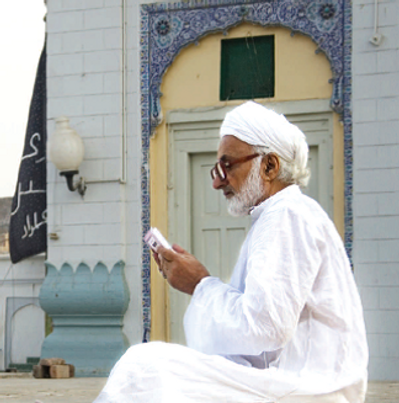
Most of the world “discovered” the Kurds in the winter of 1991 when they watched multitudes of strangely dressed people climbing snow-covered mountains to escape the wrath of Saddam Hussein. For most, this was their first glimpse of something that had happened many times; in fact, as recently as three years before. During Saddam’s plundering Anfal Operation of 1988, 180,000 Kurds were killed, 4,000 villages were destroyed, and millions were driven to refugee camps in Turkey and Iran. Needless to say,
Resurgence of a Revived Islamic Empire
2009 Vol. 3: May/June
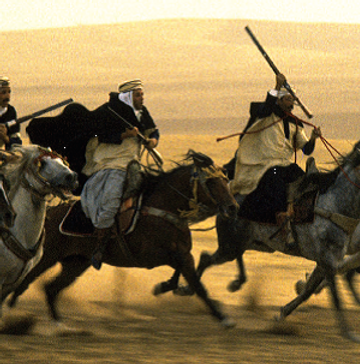
In November of 2003, the militant Islamic group, Al-Qaida, declared, “There is no doubt that the demise of America and its collapse will lead to the collapse of these fragile regimes [of the Middle East] that depend on it. We will not stop until we establish the Islamic Caliphate and until Allah’s law is implemented in his land,” (MEMRI Special Dispatch Series, No. 609). What do these fundamentalist Muslims mean when they refer to the establishment of an Islamic Caliphate
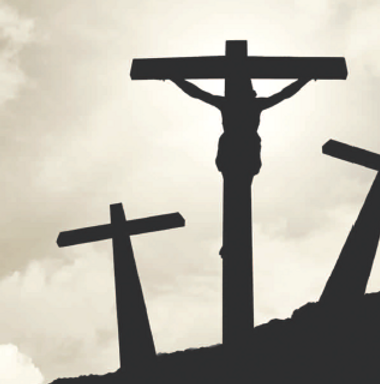
The Crucifixion and Islam
2009 Vol. 2: Mar/April
Easter is a joyful time for celebration that centers on the death and resurrection of Jesus. The Good News is that Christ has risen from the dead to rule as Savior and Lord in the hearts of those who embrace Him in faith. This is the news we need to share with the people of the world, including the Muslim people who represent our neighbors, our co-workers, or our fellow citizens. But sharing this news with Muslim people is not so easy.
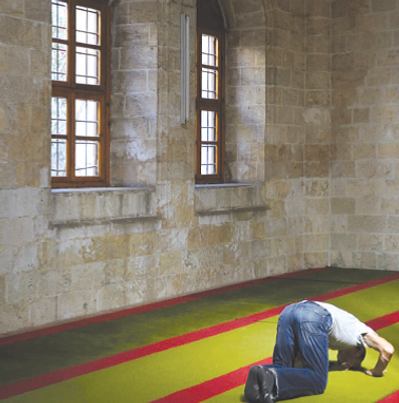
More than Dreams
2009 Vol. 1: Jan/Feb
Today many Muslims are asking “Who is Jesus, and why has He come?” In seeking God for the answer, they are often encountering Jesus in dreams and visions. A few years ago in a Middle Eastern country a group of terrorists trained in the desert in order to overthrow their “un-Islamic” government. They spent their days practicing marksmanship and honing their ability to surprise the enemy. They were taught to be ruthless and unmerciful.
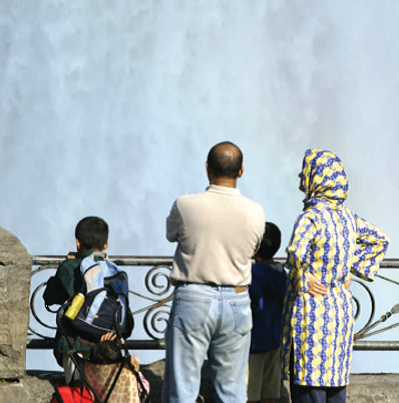
Eid-ul Qurban: Celebration of the Sacrifice
2008 Vol. 6: Nov/Dec
Living in a Muslim country, in a Muslim neighborhood, and in an upstairs flat of a building owned by a Muslim landlord who lived with his family of twelve downstairs —was a great way to learn about Muslims and their religion. This Muslim family adopted us as their own and were extremely kind to include us in their festive holidays. One of the highlights of the calendar year was Eid-ul Qurban, Celebration of the Sacrifice (also known as Eid-ul Adha). I remember the first time we were introduced to this holiday. We had just moved to our new location from the capital city after two years of language study. Our children were six and two years of age.